Home Blog

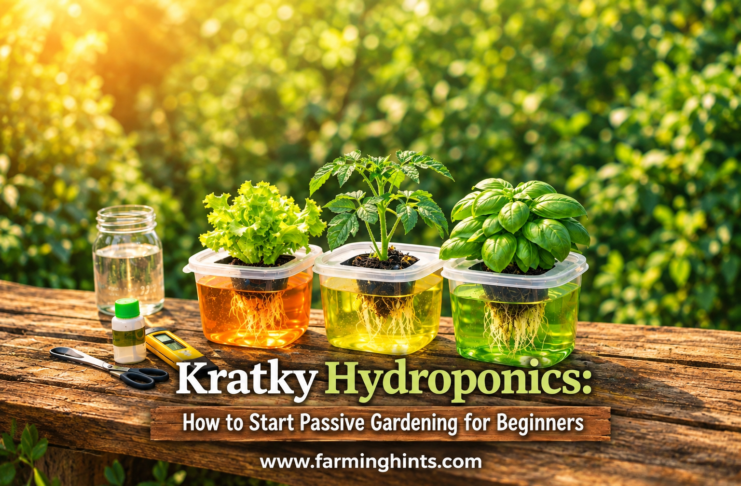
Kratky Hydroponics: How to Start Passive Gardening for Beginners

Imagine growing fresh vegetables at home without soil, messy pots, or expensive equipment. Moreover, hydroponics doesn’t always require electricity or complicated setups.

In fact, the Kratky Method proves that hydroponics can be simple, affordable, and beginner-friendly. Specifically, this passive system allows plants to grow with minimal maintenance, which makes it perfect for students, hobbyists, and budget-conscious gardeners (Kratky, 2009).

In today’s context, you’ll learn:

  • What the Kratky Method is
  • How it works
  • What you need to start
  • Best plants to grow
  • Advantages and limitations
  • How it compares to other hydroponic systems

What Is the Kratky Method?

The Kratky Method is a passive hydroponic system developed at the University of Hawaii (University of Hawaii CTAHR, 2023). Compared with traditional hydroponic systems, it requires no:

  • pumps
  • electricity
  • constant water circulation

Once set up, the system largely maintains itself. Therefore, you only need to monitor nutrient levels occasionally, which makes it ideal for beginners (Trees.com Staff, 2024).

How the Kratky Method Works

Overall, the system is simple, yet ultimately effective:

  1. Plants sit in net pots above a container filled with nutrient-rich water.
  2. Roots grow into two zones:
    • Lower roots absorb water and nutrients.
    • Upper roots remain in the air, absorbing oxygen.
  3. As water levels naturally drop, an air gap forms, thereby providing oxygen to the roots.

In simple terms, this natural separation eliminates the need for pumps or aerators, thus making the system truly passive (Jensen, 2018).

Kratky method hydroponics diagram showing net pots, nutrient water level, and upper and lower root zones.
Diagram illustrating the Kratky Method with net pots, nutrient solution, and natural air water root separation

What You Need to Get Started

Even a small setup can work effectively. However, before you begin, it’s important to gather a few essential items. Here’s what you’ll need:

  • Container or bucket with lid (5–10 gallons recommended)
  • Net pots (3-inch size works best)
  • Growing medium (clay pebbles or rockwool)
  • Hydroponic nutrients
  • pH meter and control kit (ideal range: 5.5–6.5)

Additionally, 💡 Tip: A 5-gallon bucket can grow enough lettuce for a family of two!

Once you have these items ready, setting up your Kratky system becomes straightforward and hassle-free, allowing you to start growing fresh vegetables in no time.

Beginner Kratky hydroponics setup on a balcony table showing net cups, nutrient water level, and exposed root zone.
A simple beginner Kratky hydroponics system set up on a balcony table, ideal for growing leafy greens without pumps or electricity.

Best Plants for the Kratky Method 🌿

Notably, leafy greens thrive in this passive hydroponic system. For example, some of the easiest and most rewarding plants to grow include:

  • Lettuce
  • Spinach
  • Basil
  • Mint
  • Cilantro

Furthermore, in the long run, larger fruiting plants such as tomatoes or peppers can also grow successfully. However, they require larger containers and closer monitoring to ensure optimal growth.

Overall, this makes the Kratky Method ideal for beginners and small-space gardeners, while also offering flexibility for those looking to experiment with more advanced crops over time..

Close-up of fresh green lettuce and basil growing in a Kratky hydroponics setup with roots submerged in nutrient solution
Lettuce and basil thriving in a simple Kratky hydroponics system-soil-free, low-maintenance, and perfect for indoor gardening

Advantages of the Kratky Method

Overall, the Kratky Method offers several compelling benefits:

  • Extremely low cost, making it accessible for students, hobbyists, and budget-conscious gardeners.
  • No electricity required, which simplifies setup and reduces ongoing expenses.
  • Minimal maintenance, allowing plants to grow passively without constant attention.
  • Beginner-friendly, perfect for anyone new to hydroponics.
  • Ideal for balconies, rooftops, and small spaces, enabling fresh vegetable growth even in urban environments.

In addition, this method encourages sustainable gardening with minimal environmental impact.

Challenges and Limitations ⚠️

However, the Kratky Method also comes with some limitations:

  • Best suited for small leafy crops, as larger fruiting plants may require more space and attention.
  • Standing water can attract mosquitoes, which means careful placement or covers are necessary.
  • Occasional pH and nutrient checks are required to maintain healthy plant growth.
  • Outdoor setups need protection from rain, otherwise nutrient dilution can affect plant performance.

Nevertheless, with proper planning and monitoring, these challenges can be easily managed, making the Kratky Method a highly practical option for home gardeners.

Kratky Method vs Smart Hydroponics

FeatureKratky MethodSmart Hydroponics
Electricity❌ No✅ Yes
Automation❌ No✅ Full
CostLowMedium–High
MaintenanceLowVery Low
Crop RangeLimitedWide

💡 Ultimately, the Kratky Method is best for cost-effective simplicity, whereas smart systems aim for high-tech automation and superior yield

Who Should Use the Kratky Method?

✔ Beginners and hobbyists
✔ Students or educational projects
✔ Budget-conscious growers
✖ High-yield commercial growers

Conclusion

The Kratky Method makes hydroponics accessible for everyone. In addition, it removes financial and technical barriers, yet it continues to provide fresh, homegrown vegetables (Kratky, 2009; Jensen, 2018).

 For anyone seeking simplicity over automation, this is the perfect starting point. 

Start small, enjoy your harvest, and watch how easy passive hydroponics can be! 🌿

References

  1. Kratky, B. A. (2009). Non-Circulating Hydroponic Method for Growing Leafy Greens. University of Hawaii.
  2. University of Hawaii CTAHR. (2023). Kratky Hydroponics for Home Growers.
  3. Trees.com Staff. (2024). The Kratky Method – Grow Food the Passive Hydroponic Way.
  4. Jensen, M. H. (2018). Hydroponics Worldwide. Acta Horticulturae.

Goat Farming For Milk and Meat Production

Goat farming is considered one of the most profitable farming around the globe for meat and milk production which is equally popular in all agricultural countries. A significant increase of more than 50% in goats over the last 40 years is seen particularly in Africa and Asia. The global goat population has reached one billion. Their numbers are unchanged in the Americas, possibly a bit declining in Europe, but rising in the Mediterranean region, reflecting goat significant increase in numbers, which is a dual purpose that includes milk, meat, and fibre goats.

For hundreds of years, humans have been using goats for a variety of purposes in a variety of ways.  The goat sector has received significantly less public and academic support than other animals such as cow milk, poultry, and beef meat. Despite their inherent qualities, goats’ economic and commercial potential is underappreciated.

When agriculture was INDUSTRIALISED and intensified in the twentieth century and trend shifted towards zero waste agriculture, goat activities were frequently MARGINALISED due to uncertain regulations.  The dairy goat is a part of the global dairy industry and competes with cow, buffalo, and sheep milk products.

Although the majority of the world’s human population has an approach to goat milk in underdeveloped countries, still only 5% of milk is marketed. A seventy-five percent increase in animals was noticed in countries with low income, a twenty percent increase was noticed in high-income countries while in intermediate countries an increase of twenty-five percent was recorded.

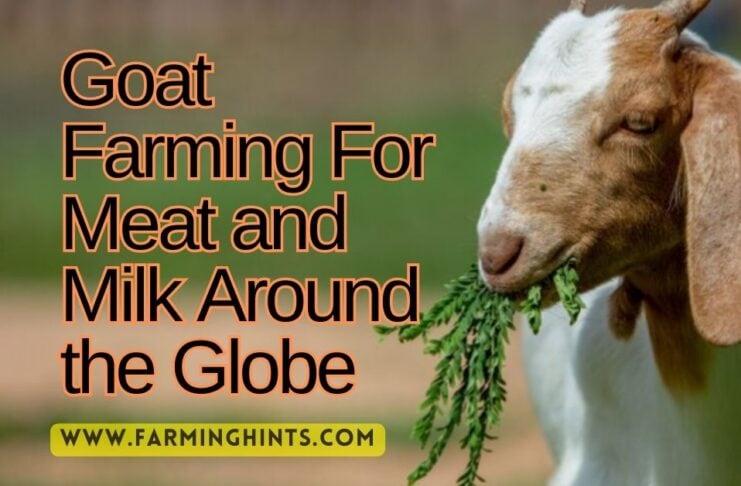
Goat Farming For Meat and Milk

Species of Goats

If a female goat is less than a year old, she is named as doe or a doeling. Males are called to as bucks or buckling. Kids refer to young goats. Because of their small size and larger body surface area to body weight ratio, goats adjust well enough to hot conditions. Furthermore, their capacity to preserve body water, restricted subcutaneous fat cover, and hairy coats are useful survival characteristics in a diverse range of environments.

The Boer meat breed was initiated in South Africa. These goats are extremely adaptable and able to thrive in a variety of climates as well as production systems. The origin of the Kiko meat goats was in New Zealand.

Breeding of Goats:

The starting number of animals to start a business is very important. The recommended number of animals to start a small-scale business is thirty-nine. Moreover, the live animal should be sold on the weight of the animal in order to get a good price of the animal.

The main output of commercial goat farms was goat kids. The estimated child mortality rate ranged from 5.64 % -12.28% but in a small-scale business only.  So, contrary to popular belief opinion, the mortality rate in children was negatively related to the size of the flock. This could be attributed primarily to feeding, good management, and precautionary measures provided related to health by farmers. Doe gestation periods range from 148 to 152 days. Kids should be weaned at 2-3 months of age if does are bred twice a year. Goats are extremely inquisitive. Their jumping as well as climbing capacity, combined with their curiosity, can cause some serious management challenges. Goats need secure fencing. An effective fence is a 5 or 6-strand high fence with electrifiers.

Goat farming for meat:

Goat meat is very popular around the world, particularly in developing nations. But it is rarely available in traditional markets. Just like every other animal production organisation, meat goat production necessarily requires proper husbandry practices in the shelter, sanitation, feed, health, and water. shelter. These are all important aspects of running a successful goat business.

Goat meat has a distinct flavour as well as palatability. Cabrito refers to roasted meat from the kid of a goat aged 4 to 8 weeks. Chevon is meat from 48-60 pound or 6–9-month, old goat kids. The higher connective tissue and lesser solubility of meat, compared to the lower levels of the same characteristics in lamb, decrease the palatability as well as tenderness of goat meat. Breeding as well as slaughtering techniques appear to be important in increasing the tenderness of goat meat.

Direct selling off the farm, providing goat meat to special markets, or producing goat kids for marketing firms are all choices. Other potential markets for goat meat include targeted markets and restaurants.

Meat-goat growth rates are generally lower than sheep growth rates. Meat goats can gain more than 200 g/day from birth till 100 days if given the right nutrition. You can use a variety of risk management strategies in your operation. You should guarantee both your facilities and your animals.

Cost Analysis:

1 doe=$200

100 does=$200 x 100= $20,000

1 buck=$200

3 bucks=$200 x 3=$600

10 acres area fencing= $13,000

Operating cost=$21,000

Goat farming for milk:

Dairy goat production is a viable livestock option for many part-time livestock farms. There is also the possibility of marketing milk to processors, at a regional level. Fluid milk as well as processed products are important markets for dairy goat producers, they should consider selling animals in agricultural dairy-based projects.

Dairy goat breeds include Sable, Alpine, Oberhasli, Nubian, Toggenburg, La Mancha, Saanen, and Nigerian Dwarf. At the moment, Nigerian Dwarfs produce about a quart in the morning and at night. Total milk/day is half gallons or 15 gallons in a month.

Comparison of Milk Production by Goat Breeds
Comparison of Milk production by Some of the Most Popular Goat Breed in the world

Dairy goats attains maturity between the ages of four and five months. Never bred Young ones when they weigh between 70 and 80 pounds, which is typically between the ages of seven and ten months. The gestation phase lasts between 145 -155 days, with an average of 149 days. Does normally have one to three children per year. The quality of diet during pregnancy affects birth weight as well as child survival.

Goats should be fed vitamins, protein, minerals, and an energy-rich diet for maintaining the production of milk as well as health. It is critical to supplement the diet with multiple grains to provide extra energy as well as protein, particularly throughout lactation. Grain should be fed in moderation because a diet with more grains and less fibre can cause digestion issues and reduced fat in milk.

Cost Analysis:

For 10 acres of building and fencing= $20,000

1 doe=$200

50 does= $200 x 50=$10,000

Equipment for milking and storage of milk= $25000

Operating cost=$21,00

Goat Farming For Meat and Milk

Major diseases in Goats:

Parasites are major issues in goat rearing. Important goat viral infections include contagious ecthyma, caseous lymphadenitis, para-tuberculosis, and caprine arthritis-encephalitis virus. Abortion, Foot rot, and mastitis are some of the health issues that goats face.

A variety of technologies are present to increase goat productivity. Both technological and managerial alternatives are available to increase the production of goats which is currently low in the traditional production system. The majority of farmers were keen to implement better technology, but the lack of support as well as an insufficient input system of delivery resulted in poor implementation. Goat farming

Major issues in farming Goats:

The new farmers are facing a lot of issues. These issues include the death of the goats at an initial stage due to the unavailability of vaccines. There are chances of pneumonia, tetanus, and diarrhoea, at the start of the project. Farmers are lacking the basic knowledge about the diseases of farming animals.

For a better step toward agricultural advancement, goat farming has proven to be a good addition to the market.

Publications for more information:

Morand-Fehr, P., Boutonnet, J. P., Devendra, C., Dubeuf, J. P., Haenlein, G. F. W., Holst, P., … & Capote, J. (2004). Strategy for goat farming in the 21st century. Small Ruminant Research51(2), 175-183.

Haenlein, G. F. (2017). Why does goat milk matter? -A Review. Nutrition & Food Science International Journal2(4), 87-90.

Dubeuf, J. P., Morand-Fehr, P., & Rubino, R. (2004). Situation, changes, and future of goat industry around the world. Small Ruminant Research51(2), 165-173.

Mundson, C. How to Raise Goats. Osceola, WI: Voyageur Press, 2008.

Baird, N., and D. G. Pugh. Sheep and Goat Medicine. Philadelphia: Saunders, 2001.

Belanger, Jerry. Storey’s Guide to Raising Dairy Goats. 5th ed. North Adams, Mass.: Storey, 2018.

Kumar, S. (2007). Commercial goat farming in India: An emerging agri-business opportunity. Agricultural Economics Research Review20(347-2016-16831), 503-520.

Kime, L. F., J. A. Adamik, J. K. Harper, and C. Dice. “Agricultural Alternatives: Agricultural Business Insurance.” University Park: Penn State Extension, 2019.

Leave us a reply

    Climate Change and Agriculture

    Climate change or change in climatic patterns is a natural process, but natural climate change is very slow and gradual especially when we debate climate change and agriculture collectively. But climate change which we are facing is due to human activities. These activities increased in the period of 1800s to onward. Agriculture practices or raising crops in particular areas required specific weather conditions and temperatures in different stages of their growth period. Climate change has changed the conditions suitable for that crop or in its growing period.

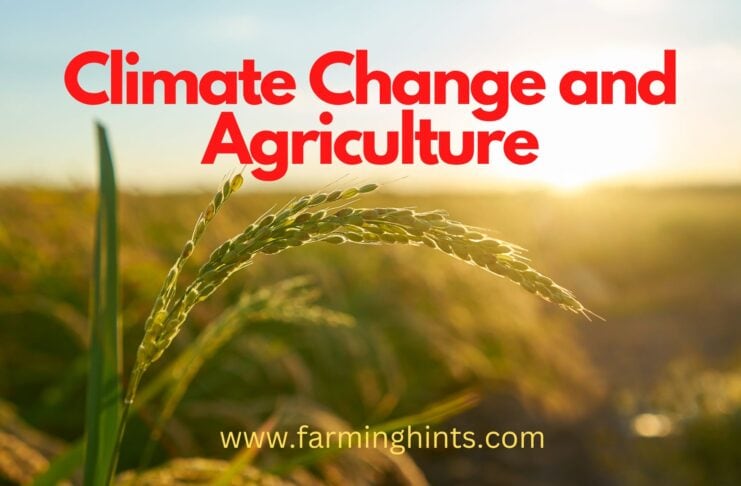
    Climate Change and Agriculture

    Our climate is heating up daily, and the impact is growing rapidly and severely. Climate change is a great challenge for farmer communities all over the world.

    Our agriculture sector relies on industrial products like artificial fertilizers and pesticides. These things are destroying soil structure and reducing biodiversity. That is an alarming situation. Study shows that an increase in temperature may increase the crop yield of some crops in a particular region. But these changes can be a threat in the form of floods and droughts that can disrupt the food chain.

    As a result of climate change, there will be low production of food and high price. It means that there is not sufficient food for every person. Water availability can also be affected due to droughts. So fewer green plants and crops can lead the weather toward extreme conditions.

    A vulnerable industrial system and advancing climate change is a “perfect storm” that threatens agriculture sectors and people related to the sector and our food supply. But there are some tools in smart and science-based farming techniques that can buffer the agriculture sector from climate damage and can help to make agriculture more resilient and sustainable. But it is challenging for farmers to change their conventional farming practice. Govt. should invest in adopting modern techniques.

    Causes of Climate Change in Agriculture

    Greenhouse gas region that traps heat in it due to the presence of some material act like a greenhouse. Around the globe, such materials can absorb heat and act like greenhouse walls. These things are

    1. Carbon Dioxide
    2. Methane
    3. Water vapors
    4. Clorofloro carbons
    5. Nitrous oxide

    Carbon Dioxide is the main cause of global warming. It has many sources, which are human activities, but it is also produced naturally. Other greenhouse gases are present in smaller quantities. Methane has shorter life otherwise, it is more power full greenhouse gas. Nitrous oxide has a longer life greenhouse gas and remains in the atmosphere over decades.

    All molecules of this matter absorb heat. They do not allow to escape the trapped heat out of the atmosphere and act like a greenhouse. In this way, the climate gets warm, which is a reason for climate change.

    Global Warming 

    As the heat does not go out of our atmosphere, these phenomena raise the earth’s temperature yearly. The globe is going to warmer every day which is called global warming.

    Deforestation

    Deforestation/cutting down trees releases CO2, which they absorb in their life cycle, which is an adverse effect.

    Fluorinated Gases

    Fluorinated gases are produced from those things in which these are used and affect the atmosphere.

    Climate Change and Agriculture
    Climate Change and Agriculture

    How climate change is affecting our Agriculture?

    When agriculture is affected, it leads the disturbance in the food web. As a result, food scarcity has been faced by humanity. Developing countries especially face these problems.

    • Floods

    Floods have an impact on climate change. We are observing this phenomenon in the present age. Many countries have been facing these natural disasters since global warming reached its peak. This global warming increases temperature, which is a cause of the melting of icecaps and glaciers. As a result, sea level and river water rise, and all coastal areas go under the water. This is a situation of flooding. This natural disaster can increase poverty at the individual level as well as the country level. When a flood destroys agriculture in a particular area, the survival of life is difficult because of disturbance in the food chain.

    • Longer Droughts and Intensive Rainfall

    Changes in precipitation patterns have already begun worldwide, and such changes are expected to become more severe over the coming years. It means that a region will have longer dry periods and intense periods of heavy rain. That is not suitable for the agricultural practices of the particular region.

    • Temperature Change

    In normal conditions, a gradual change in temperature according to the seasons is necessary for the crops sown in a particular area. Still, climate change affects these changing temperature patterns, which has an adverse effect on the crops. Generally, climate change gave a rise in average temperature. But it also has produced extreme events in summer and winter season some days in summer are too hot and on the other hand in some winter days temperature falls at an extreme level. Both these conditions are not suitable for all the crops of that time.

    • Droughts

    Climate change can also lead to droughts. Water shortages damage as too much water can. No water means no agriculture which means no plants. That means no food chain and no abstraction for climate change. A rise in temperature can cause such droughts by depleting the water table under and above the surface, and in some areas, it can be destructive for wildlife and crops.

    • Selection of New Crop Varieties and Animal Breeding

    An area farmer always selects those crop varieties for whom local climate condition is suitable. This is also a strategy for the selection of animal breeds. So rapid climate change has compelled farmers to think about their selection of crops and animal realities. These new breeds and new varieties will demand a different knowledge level. It may increase the cost.

    • New Problems

    The selection of new varieties will generate these problems with new pests, pathogens, and weeds. The farmer will have to tackle the new problems and diseases of crops and animals. The monoculture cropping system must be changed. Because it takes the same types of nutrients every time from the soil. It also does not develop organic matter in the soil. Soil having less organic matter will also have less crop density and contribute to floods or droughts.

    Climate impacts increase soil erosion and give rise to pest problems. What is the reason a field requires more artificial fertilizer and pesticides? Due to the high demand for these things, their prices also increase, and they go out of the reach of small farmers.

    • Unworkable field conditions

    As summer is hotter than the previous ones, the temperature rise is not suitable for working farmers and field workers, so people do not like to work on such hot days. These conditions are not only in the summer but the same for winter because some days are too cold that a person falls ill if they work in such cold weather. So these extreme conditions are very unsafe for working in a farm field.

    Solutions for Climate Change

    As discussed, climate change can never be stopped, but different techniques can slow it down. Its effects can be minimized on agriculture by these strategies:

      1. Stop deforestation practices. Trees take part in maintaining the climate condition of any area.
      2. Recognise the new agricultural techniques that consider less effect of climate change.
      3. A system of safe and sufficient food for everyone introduced by research laboratories and universities throughout the world. Climate-friendly agriculture practices should be researched and adopted.
      4. No-till farming is also a new technique and is climate-friendly. It can give sustainable agriculture to the world.
      5. Emission of those factors that accelerate climate change must be reduced and, if possible, prohibited.

    Climate is the most important factor influencing agriculture production. Because of the size and sensitivity of the agricultural sector, the world’s largest economic effect of climate change is in agriculture. Warming has the greatest impact on agricultural production in developing countries. The overall opinion is that temperature and precipitation changes will change land and water regimes, affecting agriculture production. Farm owners and farm communities worldwide will increasingly face challenges as our climate is continuously warming and the impacts of that warming are becoming more frequent and severe.

    World Wide impact of Climate change

    Worldwide climate change refers to shifts in the long-term patterns of weather that categorize the world’s regions. It focuses on non-normal climatic changes and the impacts of these changes on various parts of the Earth. These changes might take tens, hundreds, or perhaps even years to occur. However, increased human activities such as industrialization, agriculture, deforestation, changes in land use patterns, and urbanization result in the emission of greenhouse gases, which accelerates the pace of climate change. It creates a fairly warm and friendly environment near the surface of the earth that has allowed humans and others to grow and flourish. However, increased concentrations of greenhouse gases methane, carbon dioxide, nitrous oxide, water vapor, sulfur hexafluoride, hydrofluorocarbons, and perfluorocarbons used by anthropogenic activities have made a significant contribution to an exponential rise in the temperature of the earth, resulting in global warming.

    A rise in the seasonal temperature can shorten the growing season of many crops, significantly lowering yield. Overall, agriculture production worldwide is expected to fall by 3 to 16% by the year 2080.

    In developing countries, the majority of which have average levels of income, temperatures that are already close to or exceed levels of crop tolerance are expected to decline by 10 to 25% on average by the year 2080.

    Climate change has an impact on food security both intrinsically and extrinsically. Any change in the climatic variables that control crop growth, like temperature and humidity, has a direct impact on the quantity of produced food. Indirect connection refers to major disasters like floods and drought, which are expected to increase as a result of climate change, resulting in massive crop loss and rendering vast areas of agricultural land unfit for crop production, and can result in food insecurity. Globally, increasingly unstable weather patterns will reduce agricultural production and raise food prices, resulting in food insecurity.

    Climate Change and Agriculture
    Climate Change and Agriculture

    Conclusion

    Climate change is a natural process that continues every time. Climate change has adverse effects not only on living things but also on the whole planet earth. It can change the shape of the globe. It is increasing the water area daily by capturing coastal regions in the sea. Climate change and agriculture very closely relate to each other. Climate change can change agriculture’s scenario.

    There is a need to cope with the issues of climate change. For this,

    we need to provide farmers with weather services that help them to deal with climatic risks. Farmers can respond to climate change by trying to select varieties with different growth DURATION’S, shift planting dates, and change cropping systems. An early detection system for disease and pest epidemics should be implemented.

    There is a need to give rewards to farmers for the conservation of resources. Adaptation to new technologies can play a key role in the mitigation of climate. The provision of technical, financial, and institutional assistance for the establishment of community food banks, silage, and seed will help to cope with the emerging issues of climate change.

    Humans can also slow it down by taking care of their environment. The climate change process is thrust by more carbon dioxide in the environment. We can get a safe future by acting on the strategies that can slow down the effect of clime change on agriculture. Adopting integrated climate-smart agriculture is the key solution to cope with climate change.

    Leave us a reply

      Pros and Cons of No Till Farming

      No till farming is a modern agricultural technique in which crops are grown without disturbing the soil texture and structure by tillage. No till farming decreases the amount of soil erosion because there is less detachment of soil particles by mechanical forces.

      As the population grows daily, natural disasters and unequal distributions of living sources create severe challenges for humans. Food scarcity is one of those challenges. It can be overcome by achieving sustainable agricultural practices. Decades ago, it had been considered that land preparation was very important for better yield. But the regular practices have shown the disadvantages of soil bed preparations or tilling operations.

      At present age, zero till or no-till practice is considered a beneficial factor in increasing the yield, decreasing the cost and saving the energy source,labour cost and time.

      No-till-farming

                                                                                    No-till-farming

      Benefits of No till Farming

      There are some prominent benefits of no till farming over conventional farming which are discussed in detail in this article. If farmer adopts no till farming, he can get benefits from these very soon.

      Increase in Organic Matter

      Organic matter has great importance for crop production and soil health. It gives the necessary nutrients to crops. Organic matter components act as a reservoir of nutrients for new crops. For healthy soil, the organic matter must be greater than 1.29%, but Soils in Pakistan have a range of 0.52 to 1.38 per cent. With no till farming, the residue of previous crops can provide the required amount of soil organic matter (SOM). Roots, stems and all the matter left behind in the field after crop harvesting remains and decayed gradually in the field that provides nutrients to the crop grown in the no-till field. Number One factor for productive soils is organic matter that can be increased by avoiding tillage.

      Increases Soil Biological Activity

      Biological activity is necessary and beneficial for crops’ nutritional needs. Microorganisms are responsible for these activities, which are very important for farming. So they require optimal food conditions and minimal disturbance provided by no-till agriculture. The biological activities of these microorganisms add organic matter. They complete carbon or nitrogen Cycles. In not-tilled fields, decomposition of plant residues at a soil surface increases many life forms in and on the soil. This way, healthy ecology is developed in the area, contributing to fewer flare-ups of damaging insects.

      Fertility

      No till farming reduces soil erosion. It preserves soil fertility. Tilling damage the earth’s flora and fauna in micro- communities. It is helpful to control pests and their larvae. Mechanical control also destroys beneficial species. No-till helps those microorganisms which are capable of improving soil fertility. They can do these activities in their natural habitats.

      Soil Quality

      Soil quality is improved by no till farming because it maintains the natural structure and texture of the soil. On the other side, tilling can create a loosened layer of soil that is harmful to soil quality because it may easily compact again under rainfall that can be in the root zone and cause a hindrance to the penetration of the roots.

      Artificial Fertilizers Cost

      No, till farming also reduce farming cost in another way. Due to the presence of soil organic matter (SOM), there is less need for artificial fertilizers because decayed organic matter can provide necessary nutrients. There is less need for artificial fertilizer, so there is less cost of fertilizers. It is also environmentally friendly because of less leach down of chemicals.

      Increase Water Retention

      No till farming allows roots to decay in their place that leaves rooms in soil for the aeration of the soil. Water also penetrates through these channels. So No-till farming can increase water to penetrate the soil as well as increase water retention.

      Crop residue on the surface can also decay, and the resulting nutrients leach down into the soil. This soil organic matter (SOM) can hold 20 times more water than there weight. This property helps to maintain the moisture content of the soil.

      Soil Health

      No till farming is much more valuable in drought areas and areas with a high water table. It can manage crop loss in such areas. No till farming also has a good effect on the soil PH, soil acidity, and E.C. of soil.

      Less Soil Moisture Loss

      Plant residue on the surface is essential in keeping the soil’s moisture and minimizing evaporation. It does not allow the soil surface to dry up. So no till farming keeps that moist surface for a longer duration than that of the tilled one.

      No Erosion

      Soil Erosion is a very harmful phenomenon in farming because it detaches and carries the nutrients-enriched topsoil from where nutrients leach down below the root zone. In zero-till farming, the previous crop residue can act as a mulch cover which prevents soil, air and water erosion. Tilling can lead to soil erosion from water or wind that can cause loss of valuable organic matter.

      Soil Carbon Sequestration

      Tillage transfers carbon from soil to the surface. Generally, released carbon gives nutrients to plants. It is a good thing. But it combines with atmospheric oxygen and produces carbon dioxide which results in global warming. In this way, it has an adverse effect also. So no till farming carbon sequestration is an advantage. In the case of no till farming, carbon remains in the ground. That is why reduction of carbon dioxide and no till farming are closely related.

      Less Soil Compaction

      Heavy machinery and equipment are needed for the tilling because heavy weight and repetitions compact the soil and destroy the structure and texture of the soil. As it is considered that tilling produces a loosened soil surface that is beneficial for root growth and water filtration but tilling produces a temporary soil looseness that is again compacted after heavy rainfall, so there is again need for tillage which means that tillage leads to more tillage and soil goes toward ever-worsening condition No-till soil is less compacted than tilled soil and helps to maintain the structure of the soil.

      Reduces Cost of Fuel and Labor

      No-till farming can reduce the cost of farming because there is no need to perform bed preparation tilling operations. No operations of tilling also reduce labor costs. Not much tilling process reduces fuel consumption.

      Saving Time

      Let’s suppose that A farmer who ploughs 10 acres per hour has not ploughed a 1,000-acre field; adopting no till farming will save the 100 working hours used in other businesses. In addition to this time-saving technique on labor costs and equipment maintenance, the farmer will save an additional amount of money each year. In this way, no-till farming saves labor costs and can help plant crops before the soil loses its moisture.

      Machinery Maintenance Cost

      Agricultural machinery cost, and Machinery maintenance cost will be saved because in no-tilling farming less number of machines are required, and due to less use of them, there is less need for their maintenance.

      Adaption to Climate Change

      As reported by U.N. Environment Program (UNEP) in their research, no till farming is easily adapted to climate change and has benefits. For example, due to the drought in Kazakhstan in 2012, overall wheat yields were relatively low. But wheat grown by adopting no-till practices produced three times higher yields than previous ones made with tilling.

      Less Herbicide Leakage

      No-till farm requires less frequent irrigation because its water retention and water holding capacity are much better than the tilled farm, which helps eliminate herbicide leakage.

      Field-example-of-no-till-farming
                                                                    Field-example-of-no-till-farming

      Disadvantages of No till Farming

          • The initial Cost of No Till Equipment is high. A local farmer cannot purchase expensive machinery.
          • No till-farming has more threat of weeds than the crop grown by the tilling method. So there is a need for herbicides. Manual or mechanical methods can also be adopted to uproot these weeds.
          • People do not know much about this technology. So they want instant results, but this technology wants time to rehabilitate the soil health and soil organic matter (SOM). Everyone does not agree to learn so they prefer to stick with their conventional thinking and lose more than gain.

      Farmig-without-land-tillage
                                                                 Farmig-without-land-tillage

      Conclusion

      Sustainability is the future of mankind. All the resources (food, water, and energy) required sustainability for the survival of mankind. An increase in population and a rapid decrease in fossil fuels and other energy resources significantly threaten humanity. All the experts are worried about how to manage food scarcity. How can they produce enough quantity and quality food for those areas where people have nothing to eat? Moreover, agricultural operations will be expensive; freshwater availability will be difficult due to global warming and climate change. All these above reasons fully support No till farming.

      Because it requires less field operation to save fuel time and labor, less water requirement by having high water holding capacity and keeping moisture content on the soil surface for a more extended period. It does not demand many artificial fertilizers by giving the organic matter due to decay of previous crop residue that also has a good impact on the environment and resources. So,

      sustainability and the future of agriculture is No till farming

        What is Subsistence Farming?

        Subsistence farming is the practice of growing crops for a person or his family’s use without getting any commercial benefit. Farmers grow crops or rear livestock for their benefit, and no surplus is involved. Subsistence farming is not new as it has a long history behind it. It has many methods and types considering the climate and other factors in different regions.

        Defining Subsistence Farming

        Subsistence farming is a practice most commonly used by farmers with small landholdings who grow crops for their benefit and do not achieve any commercial advantage. So, it is understandable now that subsistence farming is the opposite of commercial farming. It is most common in rural areas of the world. Small rural farmers do not get a profit from the crops they grow.

        The crop production is less for the farmers practicing this technique. As part of subsistence farming, farmers in rural areas are encouraged to raise just enough food for their families’ needs. Its production capacity is low because farmers do not use excess money to buy extra materials to increase crop production. That’s why this method is considered a cost-friendly method of farming.

        fertilizer application in field
                                   Feeding millions of families around the globe-subsistence farming

        How Subsistence Farming is done by small farmers?

        Based on the amount of food their family will require over the course of the year, a subsistence farmer must schedule their farm productivity in advance. The schedule is based on different seasons. Typically, all family members would work together on the farm and only plant the crops they could fit on the little plot of land. In the industrialized world, urban gardening is where people cultivate their food in little fields or pots. It is the closest thing to subsistence farming.

        Opposite to metropolitan regions, farmers solely engage in subsistence farming and would go hungry if it was not for growing their food and cattle rearing. The results of subsistence farming can vary significantly, and elements like soil erosion, plant diseases, and pesticides can frequently impact the yield. Farmers invest all their time and effort into their fields since any decline in harvest can make it tough to stay off the land.

        subsistence farming
                                                                                     subsistence farming

        History of Subsistence Farming

        Its history dates back to 12,000 years ago and is a crucial component of most early survival strategies in cultures. The subsistence of agricultural practices is essential to the growth of human civilization. After the ice age, when Homo sapiens learned to domesticate plants, people started to live in one spot rather than only hunt and gather. Now, Europe and America almost ended this method of farming. Subsistence is widely used in many countries of Asia and Europe.

        Types of Subsistence Farming

        Subsistence farming has many types, and it isn’t easy to define what types be considered for subsistence farming. Farmers have different needs, so they develop their techniques to meet them. With the changing environmental conditions and living lifestyles, the needs of farmers also drastically change. Here we share the common types of this farming which are used almost everywhere.

        Primitive Farming

        The simplest type of subsistence farming is primitive farming. Primitive subsistence farming makes use of technology that is relatively simple. A simple agricultural practice is little gardens close to homesteads. Common household fertilizers like compost, animal manure, or fireplace ash benefit these gardens.

        After sowing seeds, next is irrigation. Irrigating these fields with water from adjacent streams or rivers is possible without moving plot positions. The yield is less but mostly organic. Farmers have little choice of crops they can grow in this technique because of the availability of resources.

        Intensive Subsistence Farming[/su

        _heading]

        In this practice, farmers need more labour than any other method in subsistence farming. The farmers cultivate a small piece of land for their use. Farmers can grow multiple crops on the same plot each year thanks to a climate with plenty of sunny days and excellent soils. In addition to producing enough food for their consumption, farmers use the remaining yield to trade for other goods on their little plots of land.

        It produces much more food per acre than other subsistence methods. Farmers may even build terraces along steep hillsides to produce rice paddies in the most intensive scenario. These fields can be found in Asia’s densely inhabited regions, such as the Philippines. In Pakistan, we can glimpse intensive subsistence farming in some parts of the Salt, Himalayas, and Karakoram mountain ranges.

        Nomadic Herding

        It is widely considered the first method of subsistence farming. Farmers and ordinary people also used to rear animals to meet their necessary needs. Goats, Buffaloes, Sheep, Yaks, Camels, and Cows are the most common animals to be raised. Meat and Milk are one of the most loved edibles in the whole world. Nomadic Herding makes it possible that you can get both of them enough. The skin of these animals is used in making different items like clothes, shoes, bags, etc.

        This way of life is prevalent in parts of Central and Western Asia, Eastern and Southwestern Africa, India, and northern Eurasia. People travelled long distances to find food and hay for their animals. They began to live in a place where they found enough feed for their animals and stayed there until it finished.

        Features of Subsistence Farming

        Subsistence farming feature mixed cropping in which many crops are grown in a single space. In subsistence farming, capital and financial requirement are low. Farmers mostly grow their crops without using fertilizers and pesticides. The seeds for crop growth are directly taken from the previous crops. It features unimproved varieties of seeds for crop growth. Subsistence farming also features zero or low surplus, which is easily negligible.

        The land is scattered in tiny pieces in this farming. Production of food is limited but enough for a person and his family. Most labour is untrained and unskilled. Most of the time, family members do the labour work. The yield of this crop is low, but it is highly organic.

        subsistence farming
                                                                                     traditional subsistence farming

        Benefits of Subsistence Farming

            • Subsistence farming does not need large areas because it is easily doable on small pieces of land.
            • Labour cost is meager because most family members work as labour.
            • Farmers do not need to pay extra attention and money to machinery.
            • Technology use is less or zero. If someone uses technology, then it is simple.
            • Farmers need only small inputs in this farming to get enough for their families.
            • Production of food is enough for the family.
            • The risk factor in crop production is low.
            • Farmers grow a diversity of crops in a small field.
            • It is economically rational.
            • Livestock rearing is beneficial for food.
            • Zero or Low fertilizer use is cost-effective.
            • Less pesticide is used, which is good for health and the environment. It also reduces the overall cost.
            • Farmers mostly use either self-driven or cattle-driven machinery in subsistence farming which reduces the cost as no fuel is used.

        Drawbacks of Subsistence Farming

            • Production is limited.
            • No commercial use.
            • Usually zero profits.
            • No contribution towards the economic GDP of the country.
            • A reason for food scarcity as you get much more from the same land.
            • Less sustainable in the long term.
            • No absolute solution for diseases if any occur to the crop because no pesticide use.
            • Difficult to practice in extreme weather conditions.
            • It is one of the resistance factors under the way of industrial development.

        subsistence farming
        subsistence farming

        Shifting Agriculture Trends

        The majority of places with significant forest ecosystems practice shifting agriculture trends of farming. It is famous in low-population areas. It has significantly less use nowadays because of the continuous increase in population. Crops can be grown because trees have been cut down or burned. The forest is permitted to reclaim the area once the soil’s nutrients have been exhausted in order to replenish lost nutrients. However, deforestation and soil erosion are significant issues for the ecology in places with a high population. Subsistence farming is also a bit more time taking and expensive method. Therefore, farmers now avoid this agriculture system.

        Conclusion

        Subsistence farming is a close-to-nature farming method in which you can grow enough food for your family. It is similar to sustainable farming. This farming is suitable for small landholders. It is an environmentally friendly method of crop growth in which you can only invest time and, in response, get an efficient product for you and your family. Subsistence farming has some drawbacks also. It reduces the overall food production and creates an unbalanced economy in an area or state. Industrial development is slow where this farming method is used. Farmers should be aware of other farming methods to avoid the drawbacks of subsistence farming.

        Leave us a reply

          7 Proven Benefits of Raised Bed Gardening

          0

          Have you dreamed of a small space high yielding a precise garden on your patio, backyard, or front yard? Then raised bed garden should be your first choice because it has seven proven benefits.

          “Grow your vegetables in raised bed garden once and I bet you will never grow them on the ground surface again, Spoiled for a lifetime”

          What exactly is raised bed garden

          Raised bed garden is a system in which you concentrate soil in a limited area with proper amendments which provides an ideal environment for vegetable growing.

          Raised bed gardening is a type of intensive gardening in which we grow vegetables, herbs, and ornamentals one to two feet above ground level. It can simply be constructed from the soil or a certain type of material like concrete, wood, bricks, etc. is used to make a boundary wall for that raised bed garden. This is a popular technique practice nowadays in most parts of the world. It is especially helpful in the rocky soil zone or where soil condition is not good for vegetables. Also, it adds beauty to your landscape.

          A bed is usually three to 4 feet wide, but the length greatly varies on the choice and feasibility of the grower. If the raised bed garden is made for handicapped people, then raised bed garden height should ideally be 2 feet.

          The concept of raised bed gardening

          ( a form of intensive gardening) arises with space limitations and early harvest desires.

          History of Raised Bed Gardens

          Raised bed gardens were first practiced by the Parisian Market gardeners in the 18th Century where they used a large quantity of horse manure as a fertilizer. The idea got popularity in the market in the early 1970s due to the possibility of higher crop yields from a particularly small area with proper management practice.

          Beautiful Raised Bed Garden

          Materials Used in Raised Bed Gardens

          Old railroad ties, landscape timbers, wood planks, rock, concrete blocks, or decorative bricks are commonly used as a material for frames in the construction of raised bed gardens for vegetation.

          While the mixture of topsoil, compost, and potting media is used in different proportions for raised bed gardening.

          Usually, 60% topsoil, 30 % compost, and 10% potting media (soilless growing media) are used, but the proportions greatly vary with the type of soil and the type of plants.

          If soil is not of good quality, 50% topsoil and 50% of growing medium can be used for better plant growth.

           Tip: if you are interested in adding peat moss to the growing media of your raised bed, then be careful to not add more than 20% of your total media mixture because of the acidic nature of peat moss which is not considered a good medium for growing vegetables. 

          Cultivation in Beautiful Raised Bed Garden

          7 Proven Benefits of Raised Bed Gardening

           No. 01: Better drainage, soil structure, and Nutrient Holding Capacity: 

          The soil or the potting media of raised bed garden usually has better drainage because in most cases the soil or the potting media is modified. No water-logged or clay soil is available to the root system of your plants because of the soil amendments done for raised bed gardening. The rooting mixture for raised bed garden is usually mixed with compost and other potting media so they have good soil structure and nutrient holding capacity.

           No. 02: Expanded or Longer Growing Season: 

          When your soil has better drainage, the soil warms up really quickly and hence you can plant your garden earlier than others. Raised bed garden provides a longer growing and harvest season than on-ground gardening because of better drainage and warmer soils. You can take harvest for a longer season than on-ground gardening.

           No. 03: Higher Yields in raised bed gardening: 

          Higher yields are obtained in the raised bed gardens because the raised beds have better root growth and root structure development. Raised bed gardens contain intensive plantation which leads to higher yields because no space is wasted in rows, unlike in-ground gardens. Also, the raised bed gardens have fewer weeds and easy weed management that’s also the reason for the higher yield in the raised bed gardens.

           No. 04: Manageability: 

          Raised bed gardens offer a wide range of manageability that in-ground garden doesn’t possess. Raised bed gardens are always easy to manage than in-ground gardens due to efficient plantation and proper alignment. As compared to in-ground gardens, raised bed gardens have a defined soil and area, which makes it easy for a gardener to manage and perform cultural practices.

           No. 05: Fewer weeds, Less trouble: 

          The soil or the media of raised bed garden is developed over time, with proper care and mulching the need for tilling is greatly reduced because the soil becomes greatly non-compact. This factor contributes to the fewer weeds in the raised bed gardens.

           No. 06: Less Soil Compaction and Material Conservation: 

          With raised bed garden, the soil/media becomes less compact over time because of the no walk or interference of people and the raised bed material is readily usable for a longer period of time. The structure of raised bed garden is protected from all kinds of foot traffic so the material of raised bed garden is conserved for a long period of time and plants are also less damaged than in-ground gardening.

           No. 07: Use of Difficult Sites: 

          One of the greatest benefits of raised bed garden is that it can be made on difficult sites like rocky or sandy soils where otherwise the cultivation of plants is very difficult. There is no proper development of roots in the difficult sites if we try to cultivate without raised bed garden. But raised bed garden saves the plants from stunted growth resulting in the proper development of roots and better growth.

          Beautiful Raised Bed Garden

          Leave us a reply

            Zero Waste Agriculture : A step towards Sustainability

            Zero Waste Farming or zero waste agriculture is actually a type of sustainable agriculture gaining popularity among farmers nowadays. The process of this farming concept revolves around using natural resources to increase food production, crop growth, and rearing livestock.

            To understand what is zero waste farming or zero waste agriculture, there is a need to know what agriculture waste is so that your farm can go on zero waste.

            Agriculture waste is all the unwanted material produced as a result of the growing of the crops or rearing of animals. It includes fruits, vegetables, leaves, weeds, animals excrete, UNWANTED PLANTS etc.

            What is Zero Waste Farming?

            Zero Waste Farming or zero waste agriculture is a method in which natural resources like Plants, Animals, Algae, Bacteria, and Fungi are used to their maximum resulting in organic food production.

            The waste material in this process is also used for fruitful purposes. It is one of the modern sustainable agricultural practices. Natural food processes and natural supply chains are used in zero-waste agriculture. Zero Waste Farming is gaining significance day by day.

            Importance of Zero Waste Farming

            Zero Waste Farming is an organic farming method, so pesticides and other dangerous chemicals have no part in producing this type of food. It is a pure and clean method of producing edibles. Some of the essential factors to which Zero Waste Farming contributes are;

                • Reduced Climate Impact on earth.
                • Conserved Resources for the future.
                • Minimized Pollution (Air + Land + Water).
                • Promotes Social Equity.
                • Supply More Food for Living organisms.
                • Balance Economy Conditions.
                • Control Soil Erosion.
                • Minimize Energy Consumption.
                • Provides Healthy Nutrients.

            Zero Waste Farming
            Zero waste Farming

            Is there still any waste in Sustainable Farming?

            Typically, it is assumed that this method is a waste-free farming method. But, there are still some waste residues available in the process.

            The waste material is available, but it is usable. There is no food loss that occurs in Sustainable farming. You can recycle and reuse anything during the process, and the availability of waste material is almost negligible.

            Hence, it is approximated as there is no waste in Zero Waste Agriculture, but in reality, a little insignificant amount of waste is present.

            Key Rules of Zero Waste Farming

            To reduce the amount of agricultural pollution created and to make the most use of naturally occurring resources, zero waste agriculture applies organic farming techniques on a bigger scale. As a result, farming becomes a “closed loop.” With this agricultural technique, there is no chance of contamination or harm from waste.

            Here are some fundamental rules of this farming method;

                • Reducing overall waste
                • Make Reusable Waste
                • Avoid pest outbreaks
                • Avoid extra fertilization
                • Minimize water waste
                • Create a rich compost
                • Precise Use of Resources

            The standard issue which has emerged quickly these days is that topsoil has been heavily damaged by ground and water pollution. Topsoil is unable to produce healthy plants even though some of the soil is contaminated to the point where nothing can grow.

            Hence, zero waste farming is crucial to restoring the topsoil to its actual condition. The most effective and dependable methods of minimizing agricultural waste must be realized as soon as possible. Nevertheless, there is a ton to discover about zero waste farming. And how to effectively manage our trash. Let’s check some types of agricultural waste.

            Types of Agriculture Waste

            Agriculture waste is classified in many categories by agriculturists. But, when confined to fewer categories, we get only four categories.

            1. Pesticides and Other Chemicals:

            Pesticides are common chemicals applied to crops to reduce harmful insects. With the advancement in agricultural science and the invention of many substances, the use of pesticides has increased at a higher rate. It is one of the significant waste materials in modern-day agriculture. It has damaged the upper soil and water resources.

            2. Manure:

            The excretion of animals is called manure. It is an agricultural waste that can be used in crop production as a fertilizer source. It also has some environmental hazards.

            3. Green Waste:

            Green waste comprises unwanted leaves, branches, and other green waste materials. It is often removed to get better production from the crops. But, it has a dangerous factor that needs some attention. It can create environmental problems.

            4. Gas Emissions:

            The agricultural industries and machinery produce smoke which includes many fatal chemicals. Carbon gas emissions produce lung and respiratory diseases. Livestock waste produces greenhouse gases that harm our surrounding air. Animal feces also produce methane. Gases constitute a significant hurdle in zero waste farming.

            Why is Agriculture Waste Pollution a Huge Problem?

            Agriculture waste has always been a problem for humans. The crop and animal residues are increasing daily and taking more free space. They must be dealt with seriously; otherwise, we may not stay alive on Earth. Unwanted Products from large and small farms, industries, poultry farms, and dairy farms are categorized as agricultural waste. Here are some of the common problems occurred due to agricultural waste:

                • Air Pollution
                • Water Pollution
                • Soil Contamination
                • Ozone Layer Depletion
                • Green House Effect
                • Increased Overall Atmosphere Temperature
                • Minimized Life Sustainability
                • Climate Instability
                • Health Issues of Human and Livestock

            How to Reduce Agriculture Waste?

            The reduction of Agriculture waste is not impossible. Some common measurements are necessary to take in order to control agricultural waste. Less Agricultural waste is the theme of Zero Waste Farming.

            1. Composting:

            Composting is the decomposition of agricultural waste in the presence of air for soil richness. It supports plant growth and is beneficial for the soil. Farmers can use this as a fantastic environmentally friendly choice. There are many materials in the Agriculture products that can be composted. It includes:

                • Plants
                • Leaves and branches
                • Grass or Hay
                • Animal Waste
                • Bushes and Weed
            2. Mulching:

            Mulching is another process that can be used to remove some agricultural waste. Mulching is a process in which plant residues cover the farm soil and, in response, provides rich nutrients and reduce soil erosion. Mulching is also essential to control water wastage in agricultural processes.

            3. Purchase Control:

            One mistake most farmers commonly make is purchasing many unnecessary items, and that too in bulk quantity. Particularly if you own a farm and are unsure of the precise amount of certain materials you may want, instead of making larger upfront purchases, it is preferable to visit the store regularly. It increases the overall agricultural waste production. Sometimes farmers buy more fertilizer than their use which causes problems. It is better to control your purchases to reduce agricultural waste. The best method to follow is that farmers must buy an item on a seasonal basis.

            4. Recycling:

            Recycling is one of the best methods to reduce agricultural waste and is widely adopted in zero waste farming. There are many things that are recyclable in agricultural waste. Fertilizer Bags, Spray Bottles, Plastic bags, Tires, Batteries, Containers, Drums, Metal and Plastic Items, and Rubber Items are some of the everyday items used in easily recyclable agriculture.

            5. Western Package:

            Western Packages are used to store and transfer stuff. Western Packages are also usable in reducing agricultural waste. It is also beneficial in storing different items that otherwise make agricultural waste.

            Best Sustainable Agriculture Waste Management Method

            Although every method has its benefits and drawbacks, recycling is currently the best sustainable agriculture waste management method. Recycling not only reduces agricultural waste but makes it possible to use recycled material for making new items.

            How Can Zero Waste Farming Help?

            Zero Waste Farming helps in every aspect. There is an environmental factor, Atmospheric factor, aquatic life, you just name it. Zero Waste Farming benefits all of them.

                • It contributes to environmental conservation, which is necessary to fulfill the basic needs of people.
                • The reduction of chemical use is beneficial for human beings as well as every creature on Earth.
                • It provides more food for living things.
                • It saves energy for its better service in the future.
                • An essential factor of zero waste farming is that it is health friendly.
                • Farmers avoid pesticides, insecticides, and fungicides and provide with pure organic food supply.
                • It brings less exposure to hazardous chemicals, thus saving the lives of people from its effects.
                • Less Air pollution and fewer respiration problems are only possible through this agricultural practice.
                • Less soil erosion means more crop production, and it is all possible through no waste practices in agriculture.
                • Reduction of agriculture waste needs money. So, zero waste agriculture will lessen the expenditures on these practices.
                • It helps in rearing livestock for commercial use.
                • It brings economic benefits to farmers.

            Drawbacks of Zero Waste Farming

            If Zero Waste Farming helps people, it may have some drawbacks; some of them are below:

                • Plants take more time to grow.
                • Less Food Production.
                • Land fertility may get affected due to the use of no fertilizers.
                • An increase in weed growth may take place due to the use of no pesticides.

            Conclusion

            The zero Waste Farming concept should be widely used as it has more benefits than drawbacks. Investing your time and money is vital to making this concept successful. It provides better crop production and more food. It is beneficial for our environment and our natural resources. If there is any agricultural waste present, it should be disposed of properly, and adopt zero waste agriculture after doing so.

            Leave us a reply

              Is Garlic Farming Profitable?

              0

              Benifits of Garlic Farming

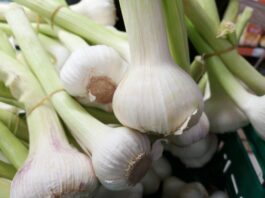
              Garlic (Allium Sativum) a herb, a vegetable, or a medicine whatever you say is an integral part of our life and food system.
              This miraculous spice contains 1.1 to 1.3 % allicin and has great medicinal and health benefits, some of which are below:
               
              • It is helpful in increasing immunity, boosting heart health, reducing cholesterol, and slowing down the hardening of arteries (atherosclerosis)
              • It is helpful in controlling high blood pressure and diabetes. Garlic is also proven helpful in reducing a fatty liver. It also cures many mouths and gum infections (e.g. periodontitis)
              • Studies have also found that garlic is helpful in curing digestive issues and urinary tract infections.
              • Garlic is also found helpful in aiding respiration and treating leprosy and parasitic infections. Garlic is also recommended for the treatment of arthritis, cough, toothaches, snake and insect bites, constipation, and reducing the risk of cancer.
              Now let’s talk about growing this beneficial food item.
               
              The question arises, is garlic farming really profitable?


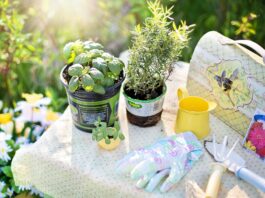
                Basic Tools for Home Gardening

                0


                “Tools of many kinds and well choosen,

                are one of the joys of garden”

                Are you wondering what type of gardening tools are there and how are they useful in gardening?

                And how do they assist you in establishing your dream garden?

                You will get introduced to all gardening tools here


                Type of tools for every type of garden

                Digging Tools Cutting Tools Watering Tools Planting Tools Propagating Tools Cultivating Tools
                Shovels Saws, Axes and Hatchets, Scythes Hose pipes Trowels Cloches Rakes
                Spades Secateurs and Hand Pruners Sprinklers Dibbers Cold frames Hoes
                Forks Shears & Loppers Watering Cans Bulb Planters Grafting tape Cultivators
                Table: Type of Tools mainly used in gardening

                Thinking about gardening? start purchasing basic tools first. It will save your time and money.

                Start Little But Start Your Own Farm Or A Garden.

                0

                Do you dream of your own production farm? Do you want your own fresh-grown vegetables and fruits?

                Then why not start your very own farm? start small but start your own.

                There is so much emphasis today on eating natural, organic foods but it comes with a higher price from supermarkets. That’s why like many people you should also consider growing your own vegetables in a home garden or a small-scale farm. It’s very easy to grow your own vegetables, and at harvest time, vegetable gardening is a very rewarding pastime.

                In the beginning, the first year of planning and plantation brings the largest amount of effort but don’t be upset, similar hectic efforts will not be needed every year.

                Every single drop of sweat, in the beginning, will pay you a penny later on
                What to consider when you are starting a farm?

                1. Picking a good spot for your garden or a farm:

                When you are planning to start a garden or farm, be sure to pick a good spot that has a good transportation facility so that you can bring inputs easily to your farm and transport your produce to the local market or processing units.

                2. Area with good soil, sunlight, and water resources:

                The area selected for the farm should have good soil. It must get plenty of sunshine for plants’ photosynthesis and a sufficient supply of irrigation water to avoid drought and wilt conditions of your plants in a garden or a farm.

                3. Starting small and choosing the best-suited vegetables or fruits in your area:

                As a beginner, you should start small. Never invest all your money in starting a farm as a beginner. Learn and invest by visiting your local markets and local farmers so that, you can get an idea of which crops or plants are meant for your area.

                4. Layout design:

                When starting a garden or a farm, the layout matters the most. how many plants do you need on your farm and what will the row-to-row or plant-to-plant distance be in your plants, it all depends on the layout. A good layout will bring ease to your cultural practices and a good amount of yield. 

                5. Soil and Water Testing:

                When you are planning to start a commercial garden or a small-scale farm, you should definitely go for a soil and water analysis of the land first. Plant type varies according to the type of soil. Some fruits and vegetables thrive best in sandy soils, others are best growing in loamy soil. Generally, most of the plants thrive best in loamy textured soils which have an almost equal proportion of sand, silt, and clay. Similarly, the water used for irrigating plants should not be saline or brackish, or high in toxic chemicals, otherwise, it will deteriorate the plant health badly and the yield of the plant will reduce.

                6. Clearing weeds and Improving soil with compost/manure:

                Now you have got the soil profile of your garden or a farm, it’s high time that you should clear all the weeds and add manure/compost to your garden to increase the fertility before plantation. A good amount of essential nutrition must be present in your soil to get a good quality of produce.

                fertilizer application in field

                7. Finding seeds/seedlings:

                When starting a garden or farm, make sure you don’t bring any unhealthy or diseased plants in your garden otherwise the production potential of your farm or garden will reduce and you have to spend extra money on pesticides. So, always choose healthy plants and purchase them from registered nurseries or seed companies (in case of growing from seeds directly).

                Seedlings

                By following the above guidelines you will get an idea about starting a small home garden or a small farm or even a small commercial orchard. Then what are you waiting for…!!!

                Conclusion:

                Starting your small farm or garden is an excellent source of pleasure as well as income. It will free your spirit from all kinds of distractions. Your farm and garden can also become a good source of passive income if you are doing it part-time. But if you are doing it full time, with the passage of time, the small farm will develop into a commercial farm with commercial-level profit.

                Leave us a reply

                Error: Contact form not found.